How to use it
Pick a starting point, then change the words so they sound like your child.
Put one idea beside each level. Things that already help your child work best.
Print it and go through it together on a calm day. Act out each idea so it’s familiar.
When a feeling starts to grow, point to the thermometer and ask, “Where are you right now?”
Make it last: print on cardstock, laminate it or slip it into a sheet protector, and use a dry-erase marker or Velcro dots so you can use it again.
Questions parents ask
How do we use a feelings thermometer?
Teach it when everyone is calm. Go through each level, try the ideas together, and show where your own feelings are too. Later, pointing to a number can be easier than finding words.
What should go in the “I can” column?
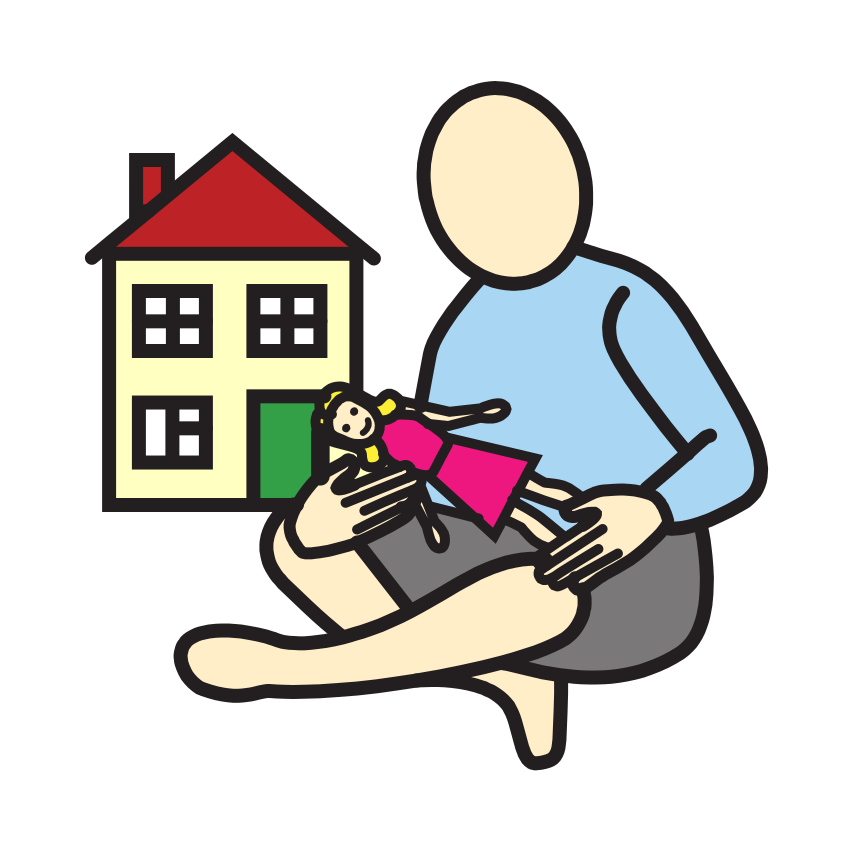
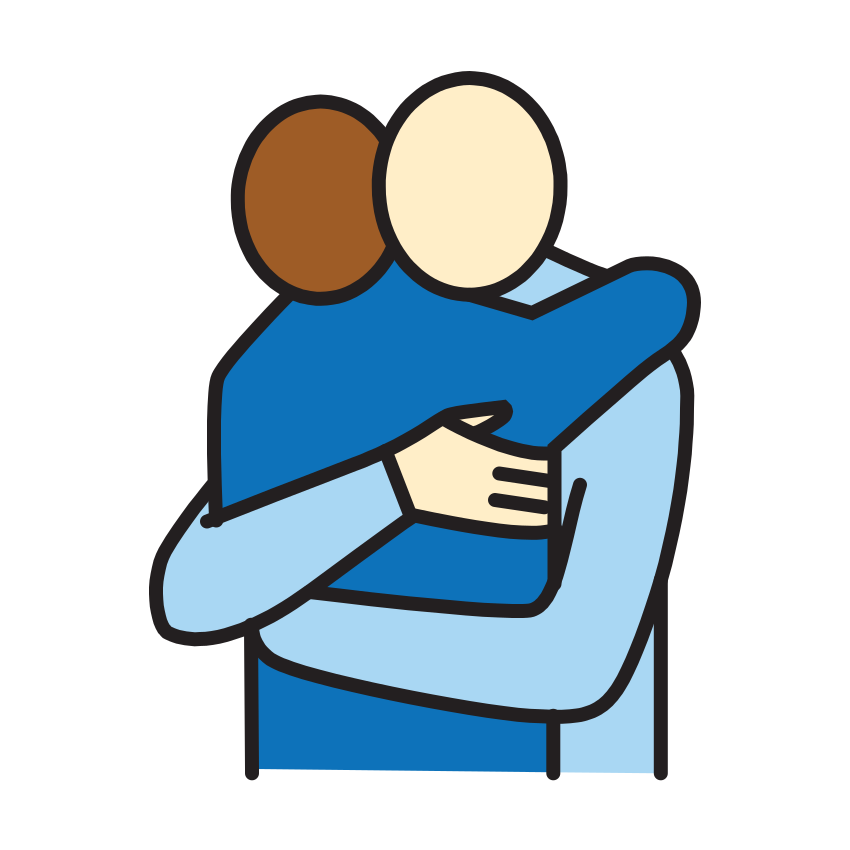
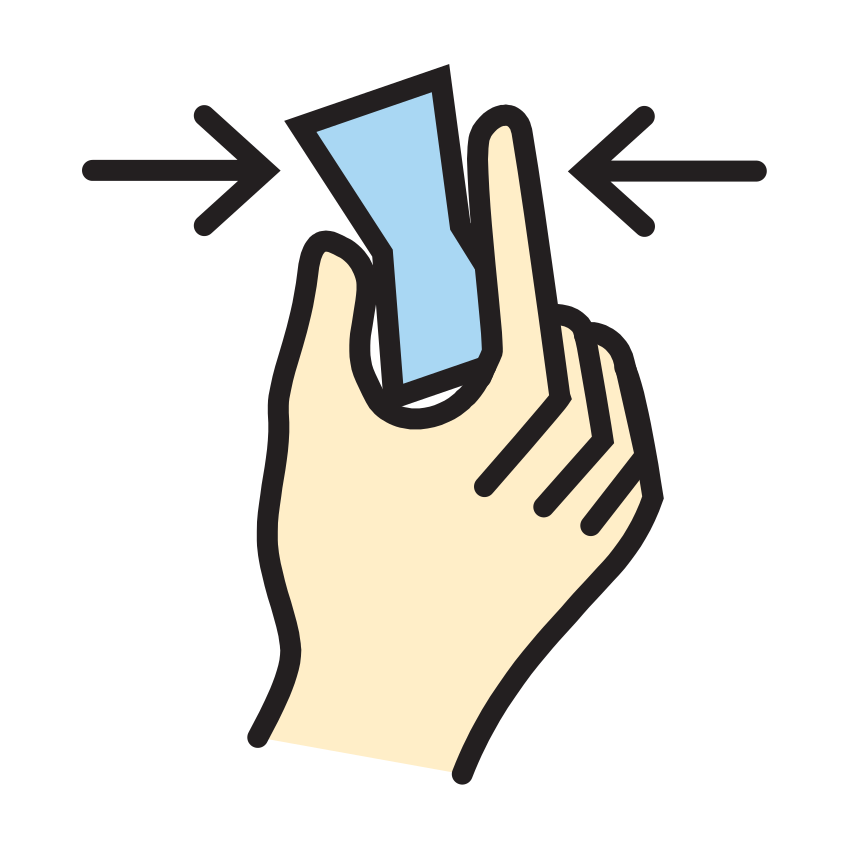
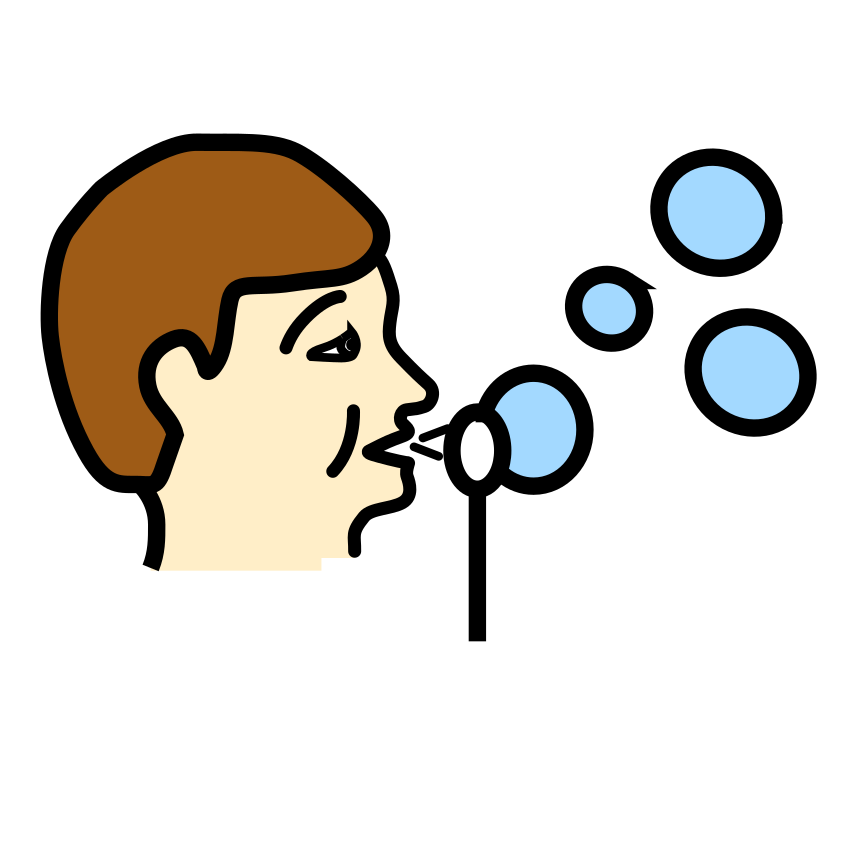
Small things your child can really do in the moment, like slow breaths, squeezing a pillow, a hug or asking for a break. Keep the top levels simple and safe, because big feelings make thinking hard.
Can I make a voice level chart with it?
Yes. Choose Voice levels to number the bands from 4, an outside voice, down to 0, silent, with a place where each voice fits.
What if my child says they’re at the top a lot?
That’s useful to know. Stay close, keep everyone safe, and talk about it once things are calm. If big feelings are often hard, your pediatrician or a counselor can help.
Is my child’s name saved anywhere?
No. A name you type stays in your browser so it can print on the sheet. It is never sent to us.
Is it really free?
Yes. One email unlocks this and every other tool in the library, and you can print as many as you like. Your email also brings one short story each Tuesday, and you can leave anytime.
Read it with a story
This is a simple visual support for everyday routines, not a therapy or a treatment. If your child works with a teacher or therapist, they can tell you how it fits with what they already do. Picture symbols: Mulberry Symbols, CC BY-SA 4.0.