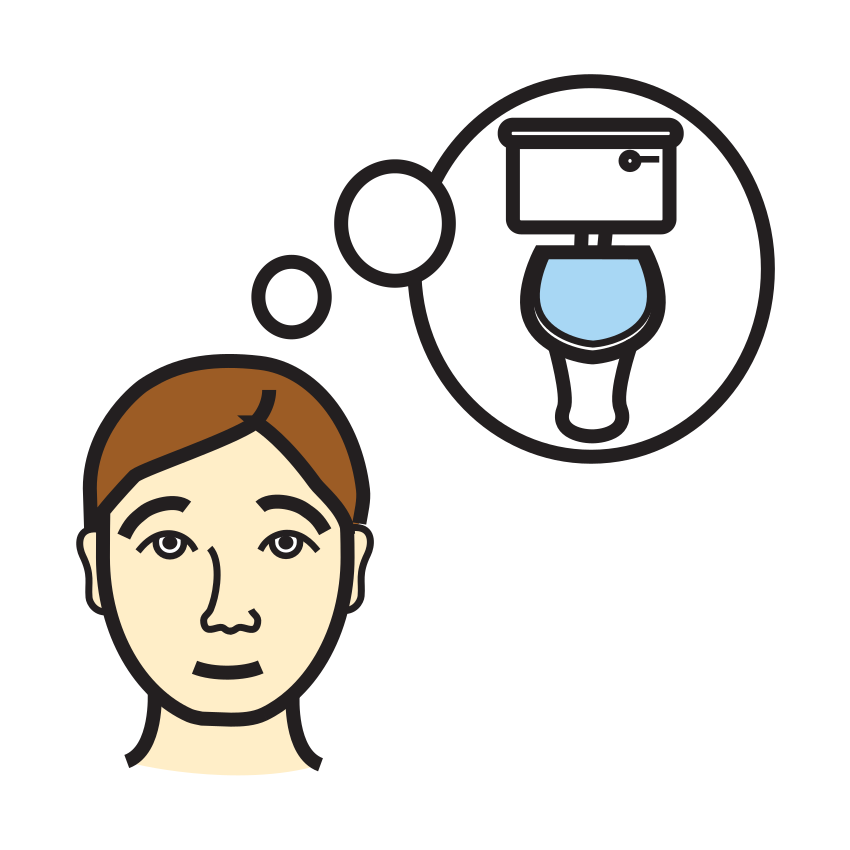
How to use it
Choose how many dry nights to count. Fewer means a sooner celebration.
Pick what a full chart earns, something you’ll enjoy doing together.
Hang it by the bed or in the bathroom, where your child will see it each morning.
Fill in a star together on dry mornings. On wet ones, change the sheets calmly and move on.
Make it last: print on cardstock, laminate it or slip it into a sheet protector, and use a dry-erase marker or Velcro dots so you can use it again.
Questions parents ask
What if my child isn’t dry at night yet?
That’s common. Staying dry at night often comes later than daytime potty training, and it isn’t something a child can make happen by trying harder. You can change the goal to something they can do, like “Use the toilet before bed.” If you have questions about wetting at night, your pediatrician can help.
What happens on a wet night?
Nothing comes off the chart. Leave that night blank, keep your voice calm, and try again tonight. Wet nights are part of learning.
What makes a good reward?
Something small you can follow through on soon, like a trip to the park or a new library book. Many families keep food out of it.
Is my child’s name saved anywhere?
No. A name you type stays in your browser so it can print on the sheet. It is never sent to us.
Is it really free?
Yes. One email unlocks this and every other tool in the library, and you can print as many as you like. Your email also brings one short story each Tuesday, and you can leave anytime.
Read it with a story
This is a simple visual support for everyday routines, not a therapy or a treatment. If your child works with a teacher or therapist, they can tell you how it fits with what they already do. Picture symbols: Mulberry Symbols, CC BY-SA 4.0.