


How to make your board
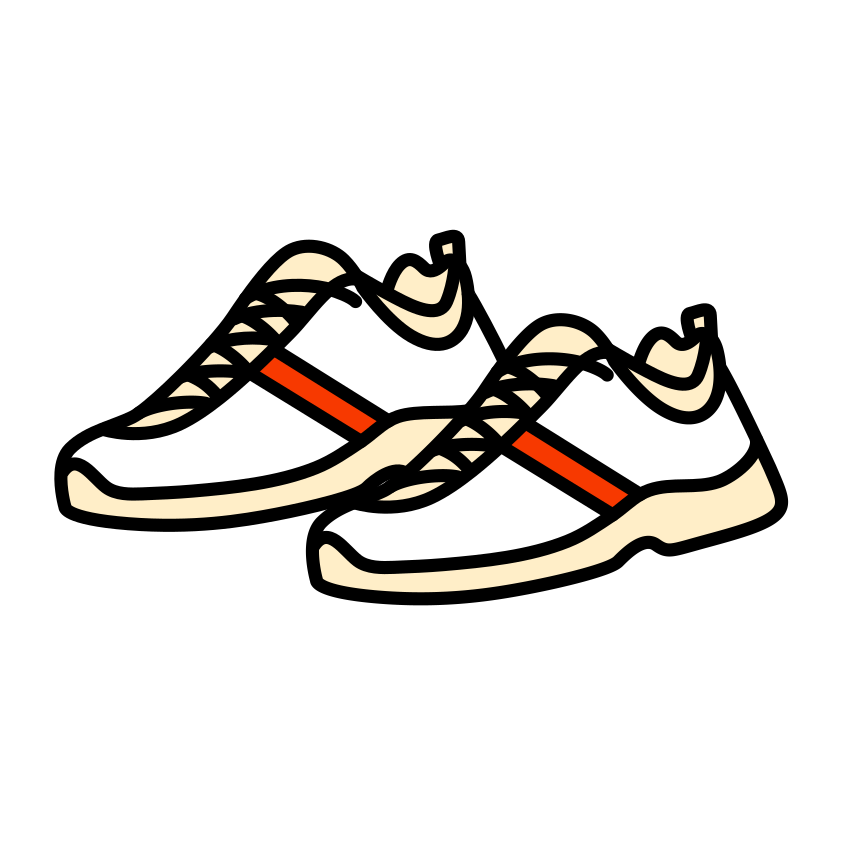
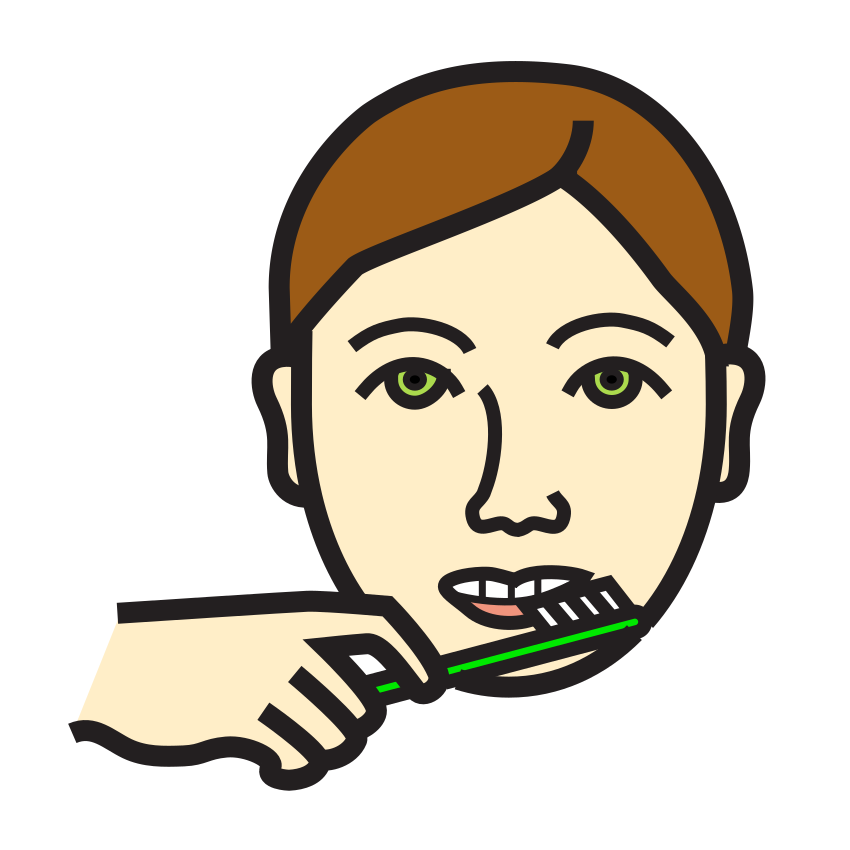
- Pick the "First" card. Choose the task that comes first, like putting on shoes or brushing teeth. You can use a picture card or type your own words.
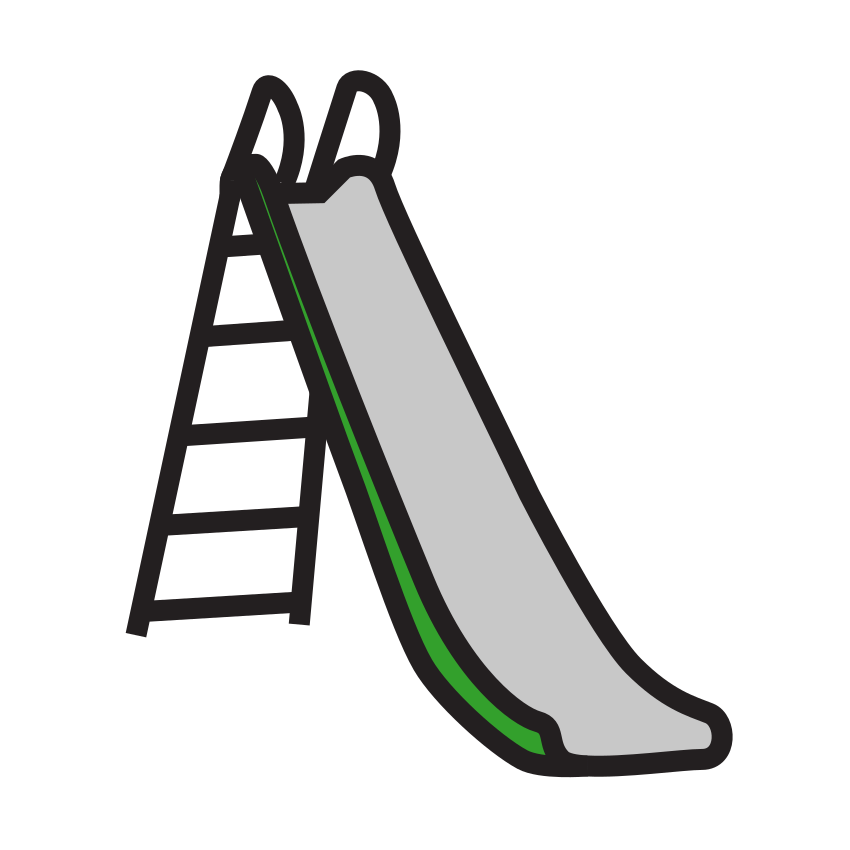
- Pick the "Then" card. Choose what comes next. Something your child looks forward to tends to work best, like the park or a story.
- Add a name (optional). Type your child's name so the board reads "First, [name]…". The name stays in your browser and is never sent to us.
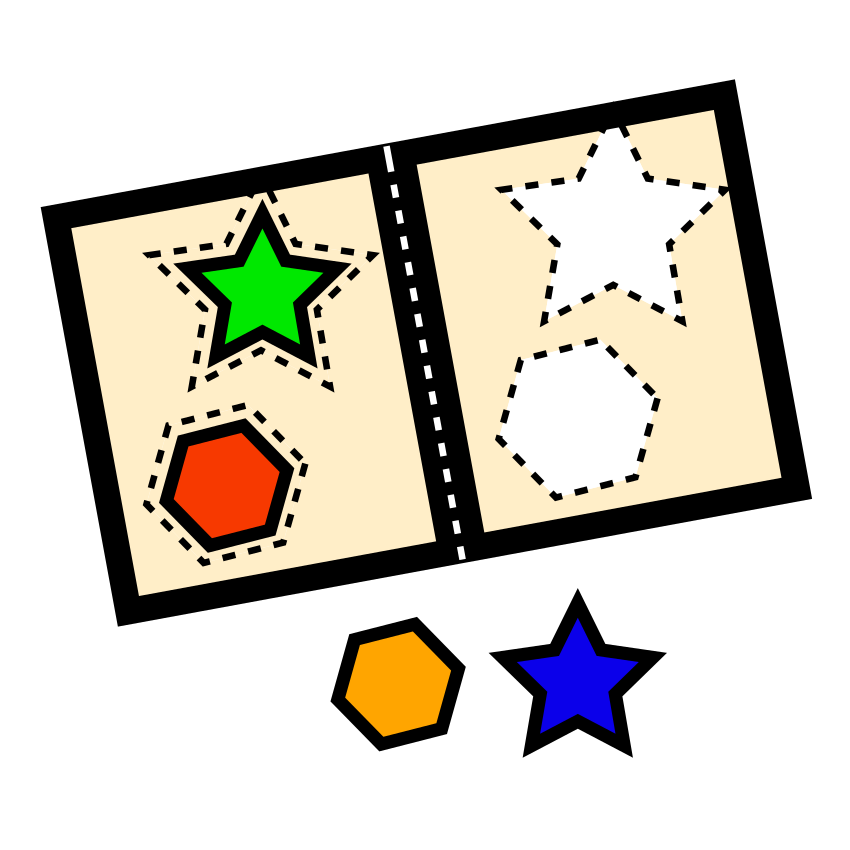
- Print. Choose Letter or A4. You'll get a full board plus cut-out cards you can swap later.
How to use it
- Show the board before the first step starts, then point to each box and say it out loud: "First shoes, then park."
- When the first step is done, point to "Then" and follow through right away.
- Keep the words short and the same each time. Use one board for one moment, not the whole day.
- Laminate it or slip it into a sheet protector, and add a bit of Velcro so the cards can be reused.
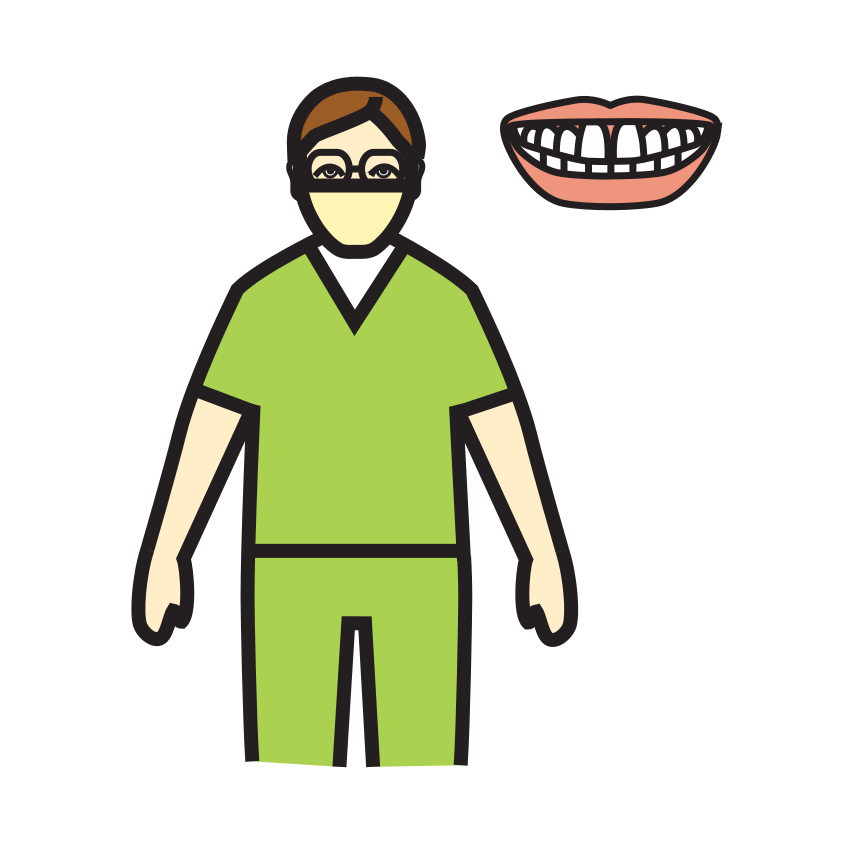
A grocery line, then the walk to the car, is written out in the social story about waiting. Coat on the hook, then shoes on the mat, is the order in the social story about following directions, which is told in first person or third person. The last colored square, then the tin, is the closing order in the social story about losing a game. Sitting on the potty, then soap on the hands, is the order in the social story for potty training. Brushing teeth, then a story, is the order in the social story for brushing teeth. Washing, then the towel, is the order in the social story for bath time. The list, then the cart, is the order in the social story for the grocery store. Washed hands, then the chair, is the order in the social story for mealtime. The buckle, then the window, is the order in the social story for the car seat. The blanket, then the pillow, is the order in the social story for making the bed.
A first-then board is a simple visual support for everyday routines. It isn't a therapy or a treatment. If your child works with a teacher or therapist, they can tell you how a board fits with what they already do.
Picture symbols: Mulberry Symbols, CC BY-SA 4.0.
FAQ
What is a first-then board?
It's a small visual card with two boxes, "First" and "Then." It shows a child one task and what comes right after it, so the order is easy to see.
How do you use a first-then board?
Show it before the task, name both steps in a few words, and point to "Then" as soon as the first step is done. Following through every time is what makes the board trustworthy.
What age is a first-then board for?
Families and teachers use them with young children and school-age kids, and with any child who finds pictures easier to follow than spoken instructions. If your child gets it quickly, the board is a good fit.
Is a first-then board only for autistic children?
No. Many autistic children use them, but a first-then board helps lots of kids with transitions, new places and tricky parts of the day.
What should I put in the "Then" box?
Something your child enjoys or expects next, like playtime, a snack, a story or the park. It can also just be the next normal step, like "then car."
Is this first-then board maker really free?
Yes. You can make and print as many boards as you like, with no account and no email.
What's the difference between a first-then board and a visual schedule?
A first-then board shows two steps. A visual schedule shows a longer sequence, like a whole morning. Many families start with first-then and add more steps later.